February Pet Allergies: How Mobile Vets Help in Bluffton
February Pet Allergies: How Mobile Vets Help in Bluffton
As February arrives in Bluffton, the Lowcountry’s damp winter air can bring more than just chilly mornings; it can also trigger a wave of allergy symptoms in our pets. If you have noticed your dog or cat scratching more than usual, licking their paws constantly, or developing red, irritated skin, you are not alone. Seasonal allergies are a common concern for pet owners in Bluffton and surrounding communities, especially during the transition from winter to spring. The good news is that you do not have to wrestle your anxious pet into a carrier or brave crowded waiting rooms for relief. Fetch A Vet, your local mobile veterinary provider, offers in-home allergy consults, diagnostics, and effective relief right in the comfort of your home. This blog will explore the most common pet allergy triggers in February, explain how to spot the signs, and show how a mobile vet can make managing allergies easier and less stressful for both you and your pet. By understanding the causes, recognizing symptoms early, and accessing professional care at your doorstep, you can help your pet enjoy a more comfortable, itch-free season.
Recognizing Pet Allergy Symptoms in February
It is natural for pets to scratch occasionally, but when itching becomes persistent or is accompanied by other symptoms, allergies may be the culprit. In Bluffton’s humid winter climate, certain environmental factors can aggravate allergy issues, making them particularly noticeable in February. Key symptoms to watch for include frequent scratching, especially around the face, ears, or paws. Many pets will lick or chew at their feet until the fur becomes stained or the skin looks raw. Red, inflamed skin is another warning sign, as are recurring ear infections, which often present as head shaking, dark discharge, or a foul odor from the ears. Some pets may develop watery eyes, sneezing fits, or even patches of hair loss. In cats, over-grooming can lead to bald spots or sores, while dogs might develop thickened skin or hot spots. If you notice any of these changes, especially if they worsen after rainy weather or during periods of high humidity, it is time to consider whether allergies are playing a role.
Common Causes of Pet Allergies in Bluffton’s Winter
Allergies in pets can be triggered by a variety of factors, many of which are especially active during Bluffton’s damp February weather. Environmental allergens are among the most frequent culprits. Mold spores thrive in the moist air and can settle on your pet’s fur or paws during walks. Dust mites, which love the warmth inside homes during colder months, can also cause significant discomfort. Other environmental triggers include pollen from early-blooming plants and trees, which may start to circulate on breezy days even before spring officially arrives.
Food allergies are another potential cause, although these tend to produce year-round symptoms rather than being seasonally driven. Some pets are sensitive to specific proteins, grains, or fillers in their diets, which can result in chronic itching, gastrointestinal upset, or ear infections. Flea allergies, while less common in winter, can still occur if even a single flea bite triggers an intense reaction. For many pets, it is the combination of environmental and dietary factors that leads to the most severe symptoms, especially when their immune systems are already stressed by seasonal changes.
How Mobile Vets Diagnose and Treat Pet Allergies
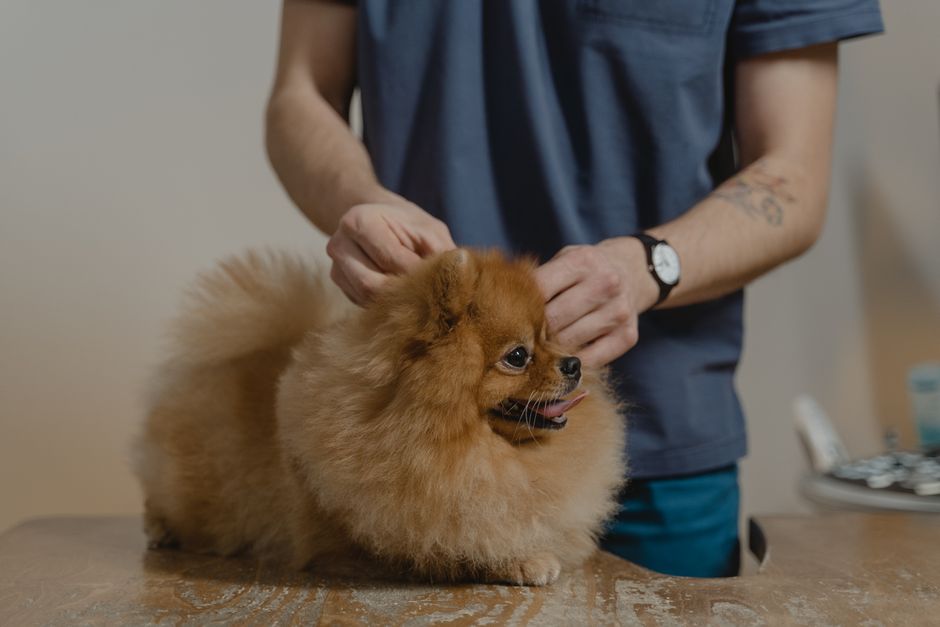
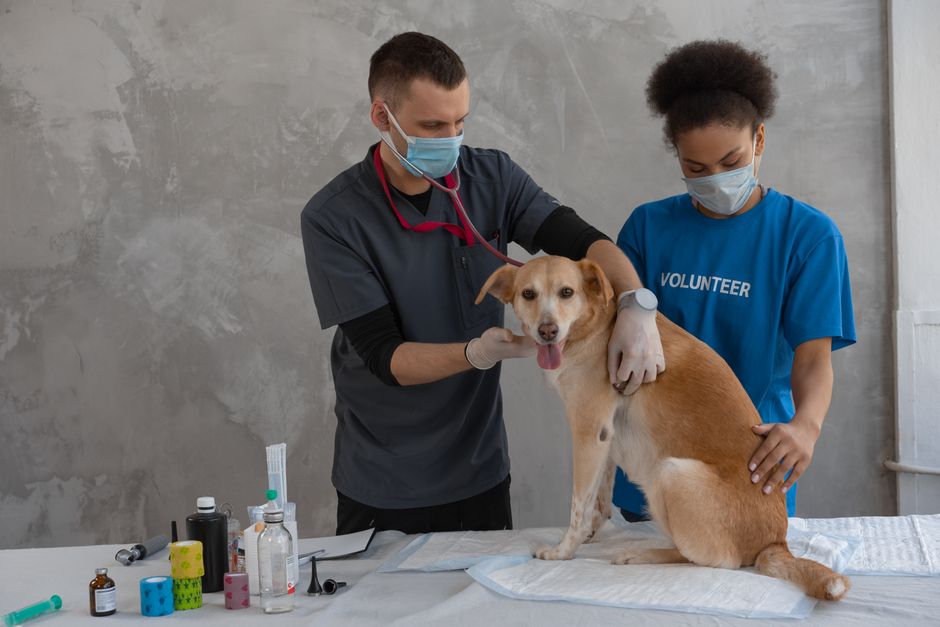
Seeking professional help is essential when you suspect your pet is suffering from allergies, but the traditional clinic experience can be stressful for animals who are already uncomfortable. Fetch A Vet’s mobile veterinary team brings expert care directly to your doorstep, eliminating the hassle of travel and reducing anxiety for both pets and owners. During an in-home allergy consultation, our veterinarians will start by taking a thorough history and performing a gentle physical examination. By observing your pet in their familiar environment, we can often spot subtle behaviors or environmental triggers that might be missed in a clinic setting.
If allergies are suspected, the next step usually involves targeted diagnostic testing. This can include skin scrapings, cytology to look for secondary infections, or blood tests to identify specific allergens. For pets with chronic or complicated symptoms, more comprehensive laboratory diagnostics may be recommended, all performed in your home for maximum convenience. Our team can also provide allergy consults and discuss the best approach for your individual pet, whether that means adjusting their environment, changing their diet, or prescribing medication.
Treatment options usually focus on reducing exposure to allergens and managing symptoms. This might involve medicated shampoos, topical sprays, or oral medications such as antihistamines or prescription anti-itch drugs. If secondary infections are present, your veterinarian may prescribe antibiotics or antifungals. For pets with food allergies, we can guide you through a dietary elimination trial to pinpoint problem ingredients. Throughout the process, our goal is to develop a personalized plan that addresses your pet’s unique needs while minimizing stress and disruption to your daily routine.
Home Care and Prevention Tips for Allergic Pets
While professional diagnosis and treatment are crucial, there are several steps you can take at home to help manage your pet’s allergies, especially during Bluffton’s allergy-prone winter months. Keeping your pet’s living area clean is key; frequent vacuuming, washing bedding in hot water, and using air purifiers can all help reduce the presence of dust mites and mold spores. After outdoor walks, especially on damp days, gently wipe your pet’s paws and undercarriage with a moist cloth to remove allergens that may have collected during their time outside.
Bathing your pet with a veterinarian-recommended hypoallergenic shampoo can provide relief from itching and help wash away pollen, dust, and other irritants. Be sure not to over-bathe, however, as this can dry out the skin and make symptoms worse; your veterinarian can guide you on the best bathing schedule for your pet’s needs. For pets with suspected food allergies, following a strict elimination diet under veterinary supervision is essential for identifying triggers without risking nutritional imbalances. Flea prevention remains important even in cooler months, as year-round protection ensures that a single bite does not set off an allergic reaction.
Monitoring your pet’s symptoms closely and keeping a diary of flare-ups can help your veterinarian fine-tune their management plan. If you notice a sudden increase in scratching, skin redness, or other signs after a change in diet, new cleaning products, or a bout of rainy weather, be sure to mention these details during your in-home visit. The combination of professional support from a mobile vet and attentive home care can make a dramatic difference in your pet’s comfort and quality of life.
When to Seek Veterinary Care for Pet Allergies
While mild allergy symptoms can often be managed with simple home care, there are times when professional intervention is necessary. If your pet’s itching becomes constant, if you see open sores, significant hair loss, or signs of infection such as pus or foul-smelling discharge, it is important to contact a veterinarian promptly. Recurring ear infections, persistent vomiting or diarrhea, and any signs of difficulty breathing should also be evaluated without delay.
Mobile veterinary care is ideal for pets who become anxious or fearful in traditional clinic settings. Fetch A Vet’s mobile veterinarians are able to assess your pet’s environment, spot subtle triggers, and provide immediate relief in the place where your pet feels safest. By offering wellness examinations, allergy consults, and diagnostic testing as part of our comprehensive range of Bluffton area veterinary services, we help you address problems quickly and comfortably. Always consult with a veterinary professional before starting new treatments or supplements, and remember that timely intervention can prevent minor symptoms from developing into more serious health issues.
Why Choose a Mobile Vet for Allergy Care in Bluffton
Choosing a mobile veterinary service like Fetch A Vet means prioritizing your pet’s comfort and your own convenience. In-home visits eliminate the stress and anxiety of car rides, waiting rooms, and unfamiliar environments, which can often make allergy symptoms worse. Our veterinarians offer one-on-one attention in the place your pet feels most secure, allowing for a more thorough evaluation and tailored recommendations. This approach is especially valuable for pets with chronic conditions or those who are sensitive to change.
Serving Bluffton and surrounding communities, Fetch A Vet brings advanced diagnostics, personalized treatment plans, and compassionate support directly to your doorstep. Whether you need a routine wellness examination, targeted allergy testing, or ongoing management for a sensitive pet, we are committed to making veterinary care as easy and stress-free as possible.
Take Action: Make Your Pet Comfortable with In-Home Allergy Relief
You do not have to watch your pet suffer through another itchy, uncomfortable February. By recognizing the signs of allergies early and seeking help from a mobile veterinary team, you can provide relief and improve your pet’s quality of life. Fetch A Vet is dedicated to supporting families in Bluffton and surrounding communities with convenient, expert in-home care, so you and your pet can focus on enjoying the season together.
If you are searching for a mobile vet near me to help with pet allergies or any aspect of preventive care, our veterinarians are here to assist. Contact Fetch A Vet at (843) 580-6209 to schedule an in-home allergy consultation or to learn more about our wellness examinations, allergy consults, and complete veterinary services. Let us help your pet breathe easier, scratch less, and enjoy a happier, healthier February—all without leaving the comfort of your home.
Medical Disclaimer: This blog is intended for informational purposes only and does not replace professional veterinary advice. If you have concerns about your pet’s health, please consult with a veterinarian for a personalized evaluation.